
Home/Blog/Drywall cracks in winter
Drywall Cracks in Winter: why they show up and how to fix them
The heat comes on in October, and by December there is a crack over the bedroom door, a line where the ceiling meets the wall and a row of little bumps where the nails are. Here is what causes drywall cracks in winter inside your walls, how to tell cosmetic from serious, and the repair that stops them coming back through new paint.

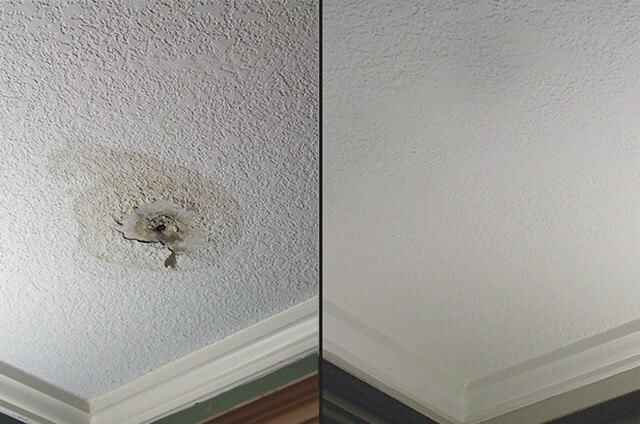
Why drywall cracks in winter in New England homes
Heating dries the air in your house. The wood studs, joists and trusses behind the drywall give up moisture and shrink slightly, while the drywall itself barely moves. That difference pulls on the weakest points: taped seams, corners above doors and windows, and the nails or screws holding the board. Most drywall cracks in winter are cosmetic and repairable. The fix is to secure the board, rebuild the seam and prime before painting, not to fill the crack with more paint.
We are painters in Burlington, MA, and drywall repair before painting is part of every interior job we do. We see drywall cracks in winter on jobs from December to March, and nail pops in winter on almost every house built in the last 20 years.
Repair and paint estimate
Send a photo of the crack.
Four reasons for drywall cracks in winter and nail pops in winter
Almost all the drywall cracks in winter we see in Massachusetts and New Hampshire houses come from one of these four. Knowing which one you have decides the repair.
Framing shrinks
New lumber and old lumber both lose moisture when indoor air is dry. Studs and joists shrink across the grain, and the drywall fastened to them is pulled with them.
Nail pops
As the wood dries, nails lose grip and the heads end up proud of the surface: small round bumps in a line along a stud or joist. Nails pop more than screws.
Seams and corners
Taped joints, inside corners and the corners above doors and windows are where movement concentrates, so hairline cracks start there.
Truss uplift
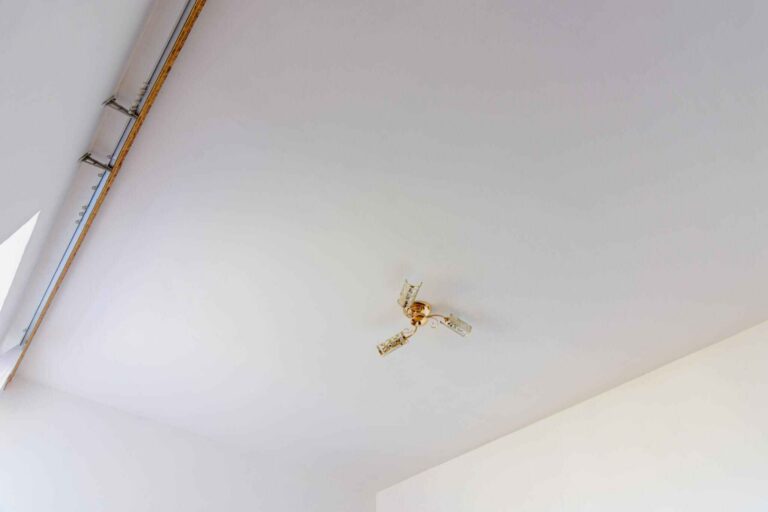
In some houses, roof trusses bow upward in winter and lift the ceiling off interior walls, opening a crack at the ceiling corner that closes again in summer (JLC).

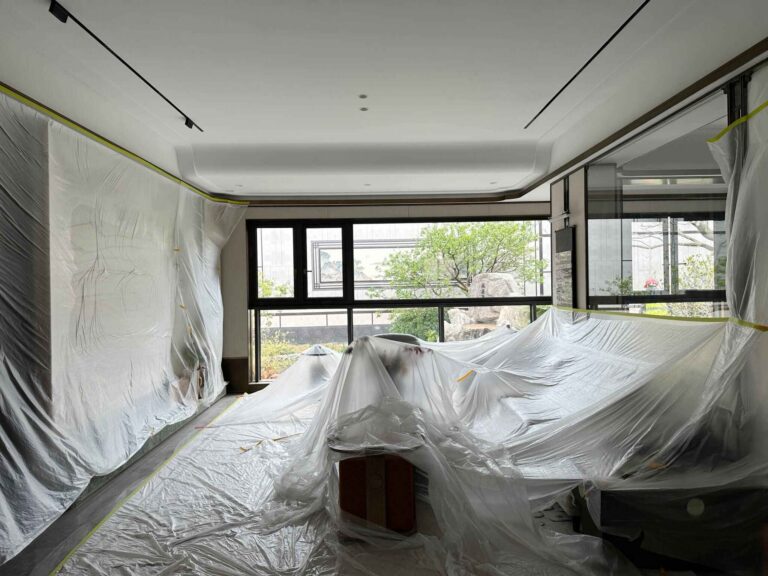
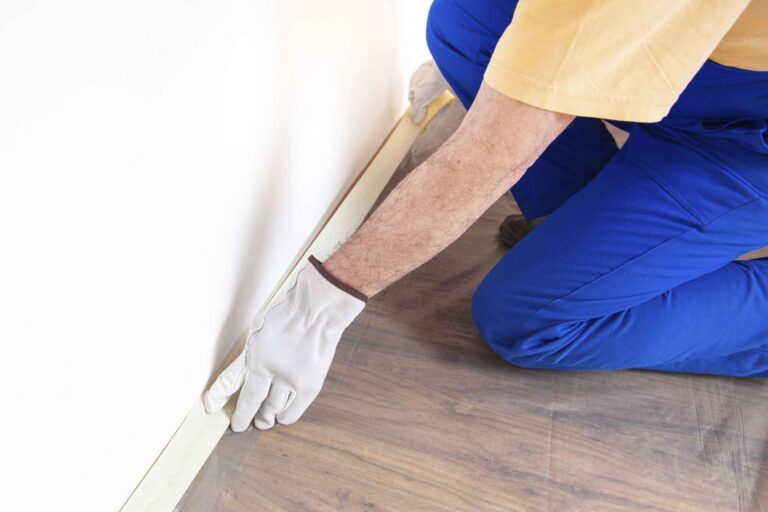
Text us a photo of the crack and we will tell you which kind it is.
Ceiling cracks in winter or a wall crack? Check yours
Drywall cracks in winter come in a few patterns. Pick what you see. The checker tells you the likely cause, the right repair and whether it is cosmetic, and writes a note you can send with a photo.
What does it look like?
This is general guidance from what we see on painting jobs, not a structural inspection. Anything growing, sagging or wet needs the cause found before it is patched.
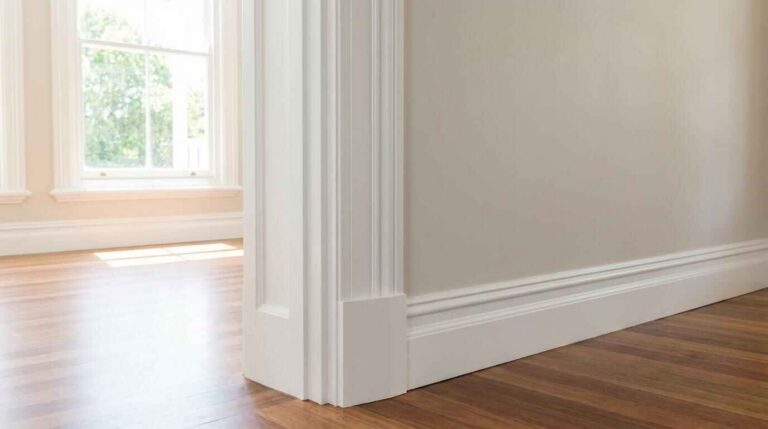
Drywall repair before painting, done so it lasts
The cheap fix for drywall cracks in winter is a dab of spackle and a coat of paint. It looks fine for a month. The repair that lasts takes a little longer and follows the same steps every time.
- 1. Secure the boardNew screws into the framing beside every pop and on both sides of a moving seam.
- 2. Open and cleanLoose tape and crumbling compound come out, so the new repair bonds to something solid.
- 3. Tape and featherNew tape bedded in compound, then two or three thin coats feathered wide, so there is no hump.
- 4. Sand under a raking lightA work light held flat to the wall shows every ridge before the paint does.
- 5. Prime, then paintDrywall primer on every repair so it does not flash, then two finish coats on the whole wall or ceiling.
How to see fewer drywall cracks in winter next year
You cannot stop wood from moving, and so you cannot fully prevent drywall cracks in winter, but you can slow the swing and make the repairs flexible enough to ride it out.
- Keep humidity moderateVery dry air makes framing shrink more. A humidifier in the driest months helps; watch for window condensation and back off if you see it.
- Keep the heat steadyBig day-night setbacks mean bigger swings in the wood.
- Screws, not nailsAny board we re-fasten gets screws, which hold better as the framing moves.
- Flexible corners for upliftWhere the ceiling lifts each winter, a detail that lets it move beats more filler.
- Fix leaks firstA water stain on a ceiling is a leak until proven otherwise; repair and dry before patching.
Drywall cracks in winter look different in old and new houses
New England has both: century-old plaster and brand-new drywall a few streets apart, sometimes in the same house after an addition. The cracks, the timing and the repair are not the same, so it helps to know which kind of wall you have before anyone opens a can of compound.
Old plaster walls
Plaster over wood or metal lath cracks in long, branching lines, and the plaster can pull away from the lath. Cracks are opened, loose plaster is re-attached or cut back, and the repair is taped and skimmed before paint.
A new house's first winter
New framing lumber still holds a lot of moisture, so the first heating season brings the most nail pops and seam cracks. Builders often expect to come back once. After that, the house settles down.
Additions and finished basements
Where new framing meets old, or drywall meets a concrete wall, the two move differently. Expect a crack at the joint; a flexible caulked or taped detail ages best.
Rooms over garages and under attics
Big temperature differences on one side of the ceiling mean more movement, and these are the ceilings most likely to show uplift or seam cracks each winter.
Repair and repaint in one visit: winter dates are open now.
When ceiling cracks in winter are more than cosmetic
Most drywall cracks in winter are the house breathing with the seasons. A few are not. Call a builder or engineer, not a painter, first if you see any of these.
- The crack keeps getting widerMark the ends with a pencil and a date. If it grows past the marks over a few weeks, have it checked.
- Sagging or bulgingA ceiling that dips between joists, or drywall that bulges, has lost its fastening or is holding water.
- Doors and windows stickingTogether with diagonal cracks, this can point to settling or framing movement.
- Stains or damp spotsBrown rings, peeling or soft spots mean water. Find the leak first.
Once the cause is fixed, we repair and paint. Truss uplift is explained in detail by InspectAPedia.

What repairing winter cracks costs
Small repairs to drywall cracks in winter are usually part of a paint job. On their own, these are our ballparks; the written proposal is the price you pay.
| A few small holes | $20 – $120 |
| Cracks or larger holes | $60 – $400 |
| Water-damaged section | $600 – $1,550 |
| Ceiling repaint, per sq ft (Angi) | $1 – $3 |
| Bedroom walls, repainted | $600 – $1,200 |
Ballpark ranges based on 2026 price guides published by Massachusetts painting companies and national cost sites. They are a reference only, not a quote, and can change after we see your home. Your written proposal is the price you pay.
More detail on our drywall repair and ceiling painting pages, and how to plan a winter interior paint job.
Drywall Cracks in Winter: questions and answers
Is it normal for drywall to crack in winter?
Yes, small cracks at seams, corners and above doors are common in heated New England homes. Wood framing dries and shrinks when the heat comes on, and the rigid drywall shows the movement. Cracks that keep widening, run diagonally from corners, or come with sticking doors are worth having looked at.
Why do nail pops appear in the winter?
As the studs and joists dry out, they shrink a little away from the drywall, and the nail heads end up proud of the surface. Screws hold better than nails, which is why the repair uses a new screw beside the pop.
What is truss uplift?
In some houses with roof trusses, the top of the truss stays warm and dry while the bottom chord sits in the cold, damp attic insulation. The truss bows upward in winter and pulls the ceiling up off the interior walls, opening a crack at the corner that closes again in summer (InspectAPedia).
Should I fix cracks now or wait until spring?
If you are painting now, repair them now so the room looks right. If the same cracks come back every winter, a flexible repair or a floating corner works better than more filler. Truss uplift cracks are best handled with a detail that allows movement.
Will painting over a crack hide it?
Not for long. Paint bridges a hairline for a few weeks, then the crack shows through. The crack needs to be opened, taped where it is on a seam, filled, sanded and primed before paint.
Are drywall cracks in winter covered by insurance?
Seasonal cracks and nail pops are usually treated as normal wear, not damage. Cracks caused by a leak or a sudden event may be different; check with your insurer. We are painters, so we can repair and paint, not advise on a claim.
Can I fix nail pops in winter myself?
A few, yes: drive a drywall screw beside each pop into the stud, sink the nail, fill with lightweight compound, sand and spot-prime. Matching the paint sheen is the hard part, which is why many people have them done when a room is repainted.
Do cracks in winter mean my foundation is moving?
Usually not. Seasonal cracks open and close with the heating season and stay hairline. Foundation movement tends to show as wider, growing cracks, often diagonal, along with doors that stick and floors that slope. If you see those signs together, have a builder or structural engineer look before any repair.
How long should repairs dry before painting?
Joint compound needs to dry fully between coats, often overnight in a cool house, and the primer needs its own drying time. On a paint job we schedule repairs first so the walls are ready when the paint goes on.
Do you repair drywall as part of a paint job?
Yes. Drywall repair before painting is part of every interior job we quote, and larger repairs are priced on their own line. See our drywall repair service.
Get your cracks repaired and painted in one visit
Send the form, call or text a photo of your drywall cracks in winter. The owner replies the same day. We repair and paint across Massachusetts and southern New Hampshire, from our office in Burlington, MA.

Get my free estimate
Free visit, one written price.